Some mornings begin with clarity. Most begin with questions. I’ve learned that filmmaking doesn’t announce its lessons loudly. It teaches slowly—between shots, during silences, often when nothing is going right. This diary is not about achievements. It’s about the journey that happens before applause.
Before the Camera Rolls
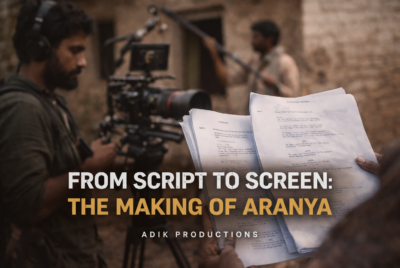
There’s a moment I never talk about. The camera is ready. The actors are waiting. The crew is silent.
And I’m standing there—looking at the script I wrote—wondering if I’ve been honest enough. Not perfect. Just honest. Every film I’ve made begins with this doubt. And maybe that’s a good thing. Doubt keeps you alert. It keeps you listening.
What the Set Teaches You
No institute prepares you for a real film set. A set strips you down. It shows you who you are when plans collapse, when time runs out, when emotions run high. I’ve learned more from broken schedules than from smooth shoots. I’ve learned that shouting solves nothing. And that respect travels faster than instructions. Cinema doesn’t reward authority. It rewards patience.
On Days That Feel Like Failure
Some days, scenes don’t work. Some days, performances feel flat. Some days, you go back home wondering why you chose this path at all. Earlier, I used to call these days failures. Now, I call them part of the process. Every mistake teaches you what not to repeat. Every uncomfortable day sharpens your instinct. Filmmaking, like life, is learned by living through it.
Staying Rooted
As work grows, noise grows too. People tell you what will sell. What will trend? What will look “bigger”?
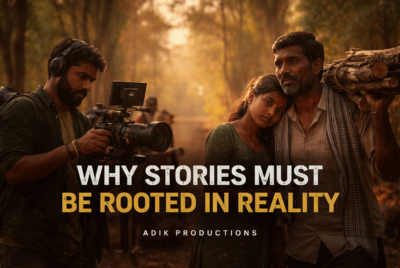
That’s when I remind myself why I started. I believe stories should come from observation, not imitation.
From truth, not urgency. If a scene doesn’t feel real to me, it doesn’t belong in the film—no matter how attractive it looks. That belief shaped Aranya. It continues to shape me.
The People Behind the Frame
Years later, I don’t remember every shot I framed. But I remember the people. The crew member who stayed back without being asked. The actor who trusted silence over dialogue. The technician who solved a problem without credit. A film is never made alone. As a filmmaker, my responsibility is not to control everyone—but to create an environment where honesty feels safe.
Why I’m Writing This
I’m not writing this to teach. I’m writing this to remember. To remind myself that filmmaking is not about reaching somewhere—it’s about becoming more aware, more grounded, more human. Tomorrow, I’ll face the same doubts again. And I’ll still show up. Because that’s the journey.
— Amol Digamber Karambe