The New Era of Indian Filmmaking: Where Story Meets Strategy By Amol Karambe
There was a time when Indian filmmaking lived by a simple belief: If the story is honest, the audience will find it. I grew up believing that, too. But somewhere between endless content, shrinking attention spans, and changing viewing habits, I realised something important—a good story is no longer enough on its own.
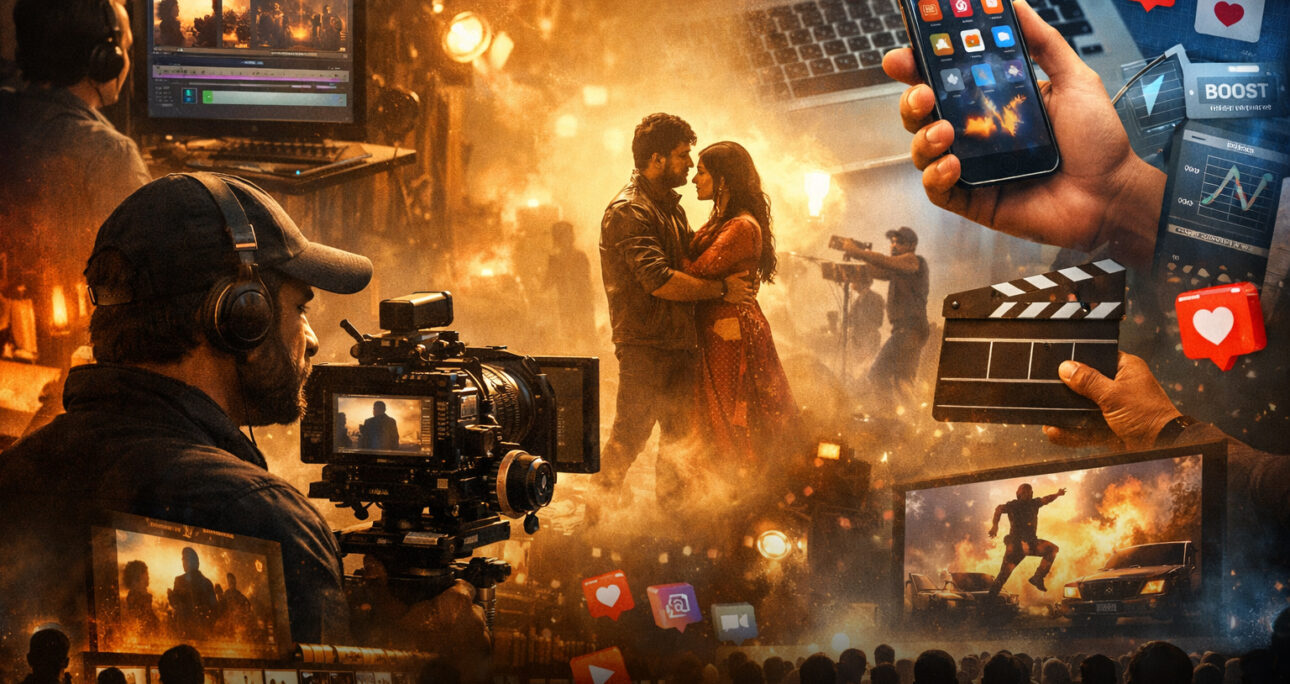
Today, filmmaking is no longer just an art form. It is art plus algorithm plus audience psychology. And if we, as filmmakers, don’t understand this shift, we risk making films that are deeply felt—but rarely seen.
Why Good Films Fail Without Strategy. Every year, I watch brilliant films disappear quietly. Not because they lack soul or craft, but because they lack a strategy. In today’s world, your film is competing with more than just the box office; it’s competing with 10-second Reels, weekly web series drops, and the culture of infinite scrolling.
If your film doesn’t clearly communicate what it is, why it matters, and who it is for, it simply gets lost. Visibility has become as important as vulnerability. Ignoring that reality isn’t romantic—it’s risky.
Thinking Like a Marketer to Protect the Story. Thinking like a marketer doesn’t mean selling your soul; it means protecting your story. Marketing shouldn’t begin after the edit is locked. It begins when the script is still breathing on paper.
We must ask:
- Who is this story meant for?
- What emotion will pull them in?
- What will make them pause, click, and stay?
When you ask these questions early, your storytelling becomes sharper, not weaker. You don’t dilute the emotion; you design its journey.
The Shift: Content-First Cinema Indian cinema is transforming. Audiences are no longer impressed by names alone; they are investing in experiences. They want honesty, relatability, and a reason to give up their time. This is where rooted stories and new voices are winning. Today, stories create stars—not the other way around.
The Future of the Studio. This shift is rewriting the playbook for the entire industry. The studios that will survive are those that understand digital ecosystems and think long-term. The ones that stay stuck are those chasing trends without understanding the “why” behind the data.
The new era of Indian filmmaking isn’t about choosing between art and commerce. It’s about aligning them intelligently. Cinema must move people, reach them where they are, and stay with them after the screen fades.
Because films are no longer just watched. They are shared, discussed, and remembered. And when the story truly meets strategy, cinema doesn’t just survive. It lives longer.